

How to Dechlorinate Tap Water
by Dr. Jonathan Doyle - Updated February 02, 2026


Humans — from individuals at home to large municipal water treatment plants — commonly use chlorine to disinfect water. Its job is to kill bacteria and other microscopic organisms that may contaminate the supply. The basic idea is simple: chlorine helps make tap water safer to drink.
However, chlorine also comes with a few downsides. It can leave water with a strong chemical smell and an unpleasant taste, and in some people, frequent exposure may cause irritation or sensitivity. That’s why many Australians prefer to remove chlorine from their drinking water before using it. So, how do you dechlorinate tap water? Should you boil it, filter it, or try another method? Let’s take a closer look.
How Does Chlorine Get into Tap Water?
In most parts of Australia, local water authorities add small amounts of chlorine to the public water supply to disinfect it before it reaches homes.This helps protect against harmful microorganisms and keeps water safe during distribution.
That said, chlorine can also cause side effects such as:
- A noticeable odour
- A sharp taste
- Skin irritation for sensitive individuals
Some people experience dryness or irritation after showering or swimming in chlorinated pools, especially those with eczema or sensitive skin. For many households, removing chlorine can make water taste fresher and feel gentler for everyday use.

Is It Safe to Drink Chlorinated Water?
For most people, drinking small amounts of chlorinated tap water is generally considered safe. Australian drinking water guidelines regulate how much chlorine can be used, ensuring levels remain within acceptable limits.
Still, many health-conscious Australians prefer to reduce or remove chlorine entirely for comfort and taste. Some common concerns linked with chlorinated water include:
- Strong smell or odour
- Unpleasant taste
- Potential long-term exposure concerns
- Skin irritation
- Allergic-type reactions in sensitive people
People also dechlorinate water for pets, houseplants, and aquariums, since chlorine can be harmful to animals and beneficial bacteria.
Related article: What Are PFAS? A Complete Beginner’s Guide for Australian
The Top 6 Methods to Dechlorinate Your Tap Water
Here are some of the most common home methods for removing chlorine from water.
Leave the Tap Water Alone
Chlorine naturally evaporates when water is exposed to air. If you leave a container of tap water uncovered, most chlorine will dissipate within 24–48 hours. This method works best for small amounts of water, such as for pets or watering plants, but it’s not the most practical option for daily drinking water.

Boil the Tap Water
Boiling is another effective way to remove chlorine, since heat speeds up evaporation.
To dechlorinate water:
- Bring tap water to a boil
- Continue boiling for about 15–20 minutes
After that, much of the chlorine will have evaporated.
Filter the Water
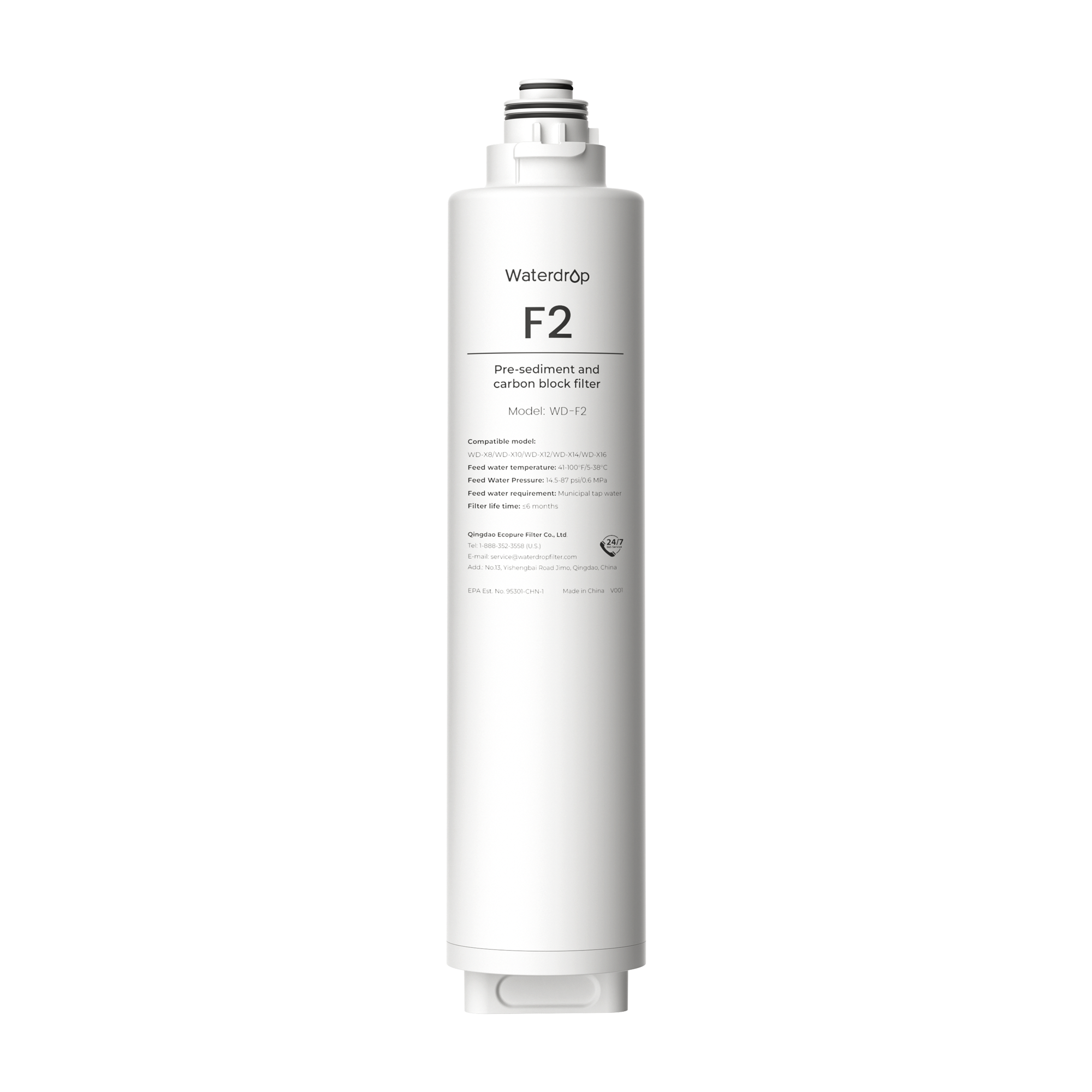
One of the easiest modern solutions is using a water filter designed to reduce chlorine. Many carbon-based filters can significantly improve taste and odour.
Common options include:
- Faucet-mounted filters
- Under-sink filtration systems
This is one of the most convenient methods for Australian households.
Add Vitamin C to the Tap Water
Vitamin C (ascorbic acid) is a natural dechlorinating agent that neutralises chlorine almost instantly.
A general guideline is:
- Around 1,000 mg of Vitamin C per gallon (about 3.8 litres)
This method is fast, chemical-free, and suitable for:
- Drinking water
- Bath water
- Fish tanks
Chemical Dechlorinators
Chemical dechlorinators are often sold in aquarium or pet stores and work very quickly. They are mainly intended for fish tanks and aquatic use, and should not be used for drinking water unless specifically labelled food-grade.

Install a Reverse Osmosis Water Filtration System
A highly effective long-term option is installing a reverse osmosis (RO) filtration system . RO systems can be fitted:
- Under the kitchen sink
- To the main water line for whole-home filtration
Reverse osmosis uses a semi-permeable membrane to remove chlorine, heavy metals, and other impurities, providing cleaner, better-tasting water for your household.
Can Reverse Osmosis Eliminate Chlorine from Tap Water?
Yes — reverse osmosis systems can effectively eliminate chlorine from tap water.
Many RO units also include activated carbon stages, which are especially good at removing chlorine and chloramines. Waterdrop offers reliable reverse osmosis filtration systems that provide fresh, great-tasting water for Australian homes.
The Best Reasons to Use Dechlorinated Water
Dechlorinated water can be beneficial for:
- Healthier plants (chlorine can harm soil bacteria)
- Safe aquariums and marine life
- Drinking water for birds, reptiles, and chlorine-sensitive pets
- Softer hair and skin after bathing when using RO or Vitamin C methods

Conclusion
There are many ways to remove chlorine from tap water, ranging from simple low-cost methods like letting water sit, to advanced solutions like reverse osmosis filtration.
For households looking for the most effective and convenient option, a high-quality RO system is one of the best ways to enjoy cleaner, healthier, better-tasting water every day.
FAQs
How long does it take for chlorine to evaporate from tap water?
Chlorine typically evaporates within 24–48 hours in an open container at room temperature.
Is boiling an effective way to remove chlorine?
Yes. Boiling water for 15–20 minutes will evaporate most chlorine.
What is the quickest dechlorinating method?
Vitamin C and chemical dechlorinators work almost instantly.
Is it safe to drink dechlorinated water?
Yes. Dechlorinated water is safe to drink, often tastes better, and may reduce skin or eye irritation for sensitive individuals.
Contaminants Detected in Fruitland Water
Special
Service District
30
Contaminants
EXCEED EWG HEALTH GUIDELINES
EXCEED EWG HEALTH GUIDELINES
30 Total Contaminants in Your Water
Water Provider
Fruitland Water Special Service DistrictPopulation Affected
120,000Water Source
Ground waterExceeds Guidelines
Others Detected
Thank You For Subscribing!
We are thrilled to have you on board and look forward to
sharing
exciting updates, exclusive offers, and valuable insights with you.